
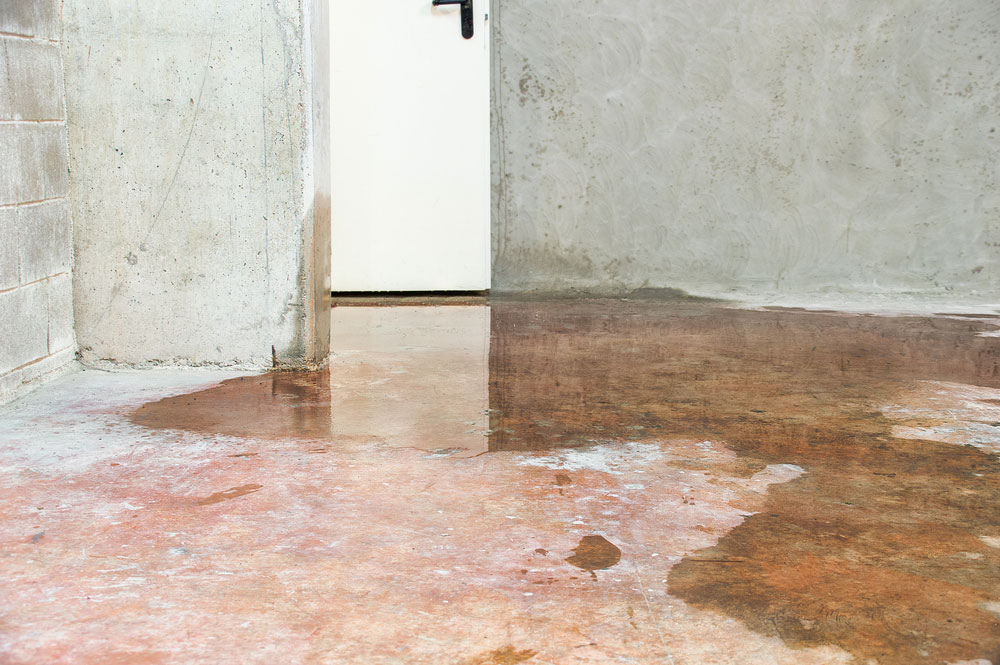
The presence of a minor, occasional trickle of water in your basement is frequently dismissed by homeowners as a manageable nuisance or a seasonal occurrence. However, this seemingly insignificant trickle acts as a persistent indicator of compromised moisture control that will inevitably weaken the concrete masonry over time.
Allowing even a small amount of moisture to penetrate your home’s subterranean environment sets off a destructive chain reaction that degrades the structural integrity of your foundation. Addressing these early warning signs immediately is the only way to avoid the massive financial and structural consequences of advanced foundation failure.
Accelerating the Chemical Breakdown of Concrete
Concrete is a porous, mineral-based material that relies on a specific chemical balance to maintain its density and load-bearing strength. When water enters your basement, it brings dissolved minerals and acidic compounds that slowly dissolve the binding agents holding your foundation together.
- Continuous moisture penetration leaches lime out of the concrete, which leaves the material brittle, chalky, and structurally weak.
- Small cracks that start as hairline fractures expand as water freezes and thaws inside the pores, physically shattering the masonry from the inside out.
- The internal metal reinforcement bars, or rebar, embedded within your foundation will oxidize and rust when exposed to chronic dampness.
As the steel reinforcement corrodes, it expands in volume, cracking the surrounding concrete and permanently reducing the foundation’s ability to support the weight of your house.
The Destructive Cycle of Hydrostatic Pressure
When you ignore a small leak, you are essentially ignoring the fact that the soil outside your home has become oversaturated and is pushing against your foundation. This trapped water creates intense hydrostatic pressure that seeks any available path to equalize, eventually turning a tiny crack into a major structural weakness.
- As the exterior pressure increases, it forces your foundation walls to bow, bulge, or buckle inward toward the basement living space.
- Unchecked water intrusion undermines the soil directly beneath your footings, causing your home to shift, tilt, or settle unevenly into the earth.
- The constant cycle of saturation and drying creates voids in the soil, removing the essential lateral support your walls require to remain plumb.
A wall that is actively bowing under hydrostatic pressure is a severe structural emergency that requires complex engineering to stabilize and pull back into position.
Escalating Damage to Interior Structural Framing
Your home’s entire vertical framing system rests directly upon the foundation, meaning that any movement at the base level is immediately amplified throughout the upper floors. Moisture that begins in the basement quickly migrates upward through wooden sill plates, floor joists, and supporting columns.
- Saturated wooden components become the perfect breeding ground for wood-rotting fungi and destructive insects that thrive in humid, damp environments.
- Floors above the basement level begin to sag and bounce as the joists lose their structural stiffness and start to rot from moisture exposure.
- Jamming doors, cracked drywall, and warped window frames are common signs that the foundation shift has successfully migrated to your main living quarters.
Allowing a basement leak to persist forces you to eventually repair not only the foundation but also the entire structural skeleton of your upper living spaces.
Creating Toxic Environments for Household Health
A small, ignored leak provides enough constant moisture to sustain active mold colonies that remain hidden behind wall insulation or under flooring. These fungal growth zones release microscopic spores into the air, which then circulate through your home’s central heating and cooling system.
- Hidden mold colonies behind finished basement drywall can grow undetected for years, quietly destroying both the framing and your indoor air quality.
- The persistent smell of musty, damp earth indicates that your basement has reached a point where it is actively compromising the health of the household.
- Removing toxic mold from structural framing is an invasive and expensive process that requires specialized remediation crews and complete demolition of the affected zones.
Prioritizing your family’s health means addressing moisture sources before they evolve into large-scale, hazardous biological infestations that affect every room in your house.
Compounding the Final Cost of Professional Remediation
The financial reality of foundation repair is simple: the longer you wait to fix the problem, the more invasive and costly the necessary repairs become. A simple crack injection can solve a minor problem today, whereas a full-scale foundation rebuild is often the only solution for a neglected, failing system.
- Professional costs multiply rapidly when crews must move from simple crack repair to complex exterior excavation, wall bracing, or full-scale structural underpinning.
- Insurance policies rarely cover damage resulting from long-term, neglected water seepage, leaving you to pay the entire bill for structural reconstruction.
- Recovering the property value lost due to a disclosed foundation failure often costs far more than the initial waterproofing investment would have required.
Investing in a proactive solution now prevents the sudden, devastating financial impact of a structural collapse that requires immediate and expensive professional intervention.
Ensure Long-Term Structural Integrity for Your Investment
Choosing to ignore a minor leak is a high-stakes gamble that threatens your property equity, your family’s health, and the very safety of your home’s structure. Implementing a robust, professional waterproofing and drainage system today halts the cycle of damage and preserves the structural integrity of your foundation for decades.
Taking decisive action prevents minor moisture issues from spiraling into massive, uncontrollable repair expenses that could compromise your entire household. Prioritizing this essential maintenance ensures your foundation remains solid, your living environment stays healthy, and your property investment remains fully protected.