
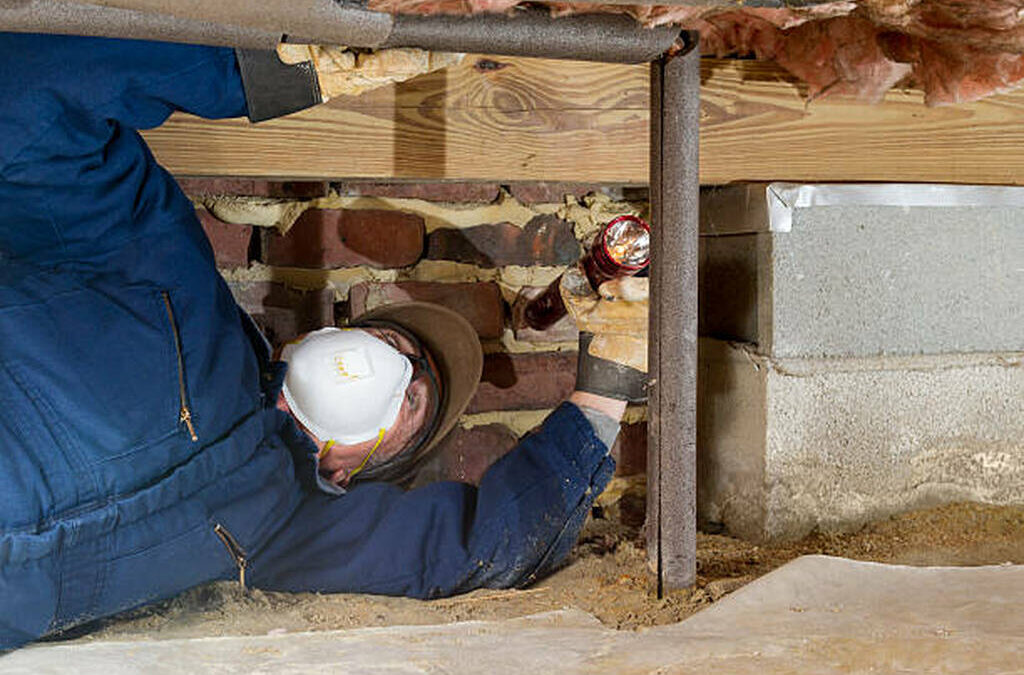
Crawl space foundations often suffer from sinking and settlement when the soil underneath the support piers loses its ability to bear the weight of the structure. This structural instability frequently results in uneven floors, jammed doors, and visible cracks in the interior walls above the affected area.
Addressing these issues requires more than just temporary shimming or structural patching, as the underlying soil needs a reliable way to support the load. Implementing a permanent piering system provides a robust mechanical solution that transfers the weight of your home down to stable, load-bearing strata.
The Engineering Behind Helical and Hydraulic Piers
Professional piering systems work by driving deep steel supports into the earth until they reach dense soil or solid bedrock that can permanently hold the weight of your home. These piers are mechanically attached to the structural footings or beams of your crawl space, effectively bypassing the weak upper soil layers.
- Helical piers are screwed into the ground like a giant corkscrew until they achieve the precise torque required for maximum load-bearing capacity.
- Hydraulic piers are driven vertically through heavy-duty steel brackets, using the weight of the structure itself to reach deep, stable layers of earth.
- Every pier installation is carefully calculated by structural engineers to ensure the load is distributed evenly across the entire foundation perimeter.
By anchoring your home to this firm subterranean material, piering systems ensure that your foundation will never settle or shift significantly in the future.
Lifting and Releveling the Sagging Structure
Once the piers have been successfully installed and verified to reach stable soil, the lifting process can begin to restore the home to its original, level position. This controlled hydraulic lift is performed with extreme precision to avoid creating new cracks in the upper living spaces.
- High-capacity hydraulic jacks are positioned on each pier, allowing the installation crew to lift the foundation beam in slow, incremental adjustments.
- Specialized laser leveling equipment provides real-time data to the installers, ensuring the house is returned to a perfectly level plane across the entire floor.
- Continuous monitoring of the structural framing above ensures that doors and windows regain their proper alignment as the house is gently raised.
Restoring the home to level not only fixes the immediate settling issues but also relieves the intense physical stress that has been pulling at the structure’s joints.
Reinforcing Vulnerable Crawl Space Support Beams
In many cases, the sagging foundation has also caused the main wooden floor joists and beams within the crawl space to twist, crack, or lose their load-bearing capacity. Piering provides the perfect opportunity to install permanent, heavy-duty steel beam reinforcements to bridge any gaps left by the previous settlement.
- Steel support beams are often sistered or replaced alongside the pier installation to ensure a rigid connection between the foundation and the floor.
- Adjustable support posts are frequently set on top of new concrete footings to provide additional load support for the center of the crawl space.
- Corrosion-resistant coatings on all new steel components ensure that the support structure will remain intact and durable in the damp crawl space environment.
Strengthening the internal framing along with the foundation support creates a holistic structural repair that stands the test of time.
Preventing Future Soil Erosion and Settlement
The primary reason a crawl space settles is that the upper layers of soil shift due to moisture fluctuations, drought, or poor drainage around the home. Piering solves the settlement issue by anchoring the home to deep ground, but professional installers often take additional steps to ensure the site remains stable.
- Installing exterior curtain drains or improving gutter downspout discharge keeps the soil around the foundation dry and prevents future erosion.
- Vapor barrier encapsulation of the crawl space prevents moisture from saturating the ground, which can keep the surrounding soil density more consistent.
- Grading the landscape away from the crawl space walls stops water from pooling and undermining the earth supporting your new foundation piers.
Securing the foundation is a two-part process that involves both permanent deep-earth support and active, long-term site water management.
Ensuring Structural Longevity and Peace of Mind
Choosing to install a professional piering system is an investment in the long-term structural health of your residential property. Unlike temporary fixes that require recurring adjustments, a steel piering system is designed to provide a lifetime of stable, secure support for your home.
- The entire repair process is backed by structural engineering standards, providing you with documented evidence of the fix for future real estate transactions.
- Your home will maintain its structural equity and market value without the ongoing worry of floors sloping further or foundations failing over time.
- Peace of mind comes from knowing that your residence is supported by a permanent, proven system that can withstand the natural movement of the earth.
Fixing a settlement issue correctly the first time avoids the catastrophic costs associated with ignoring structural failure and ensures a stable home for generations.
Foundation Repair for Total Peace of Mind
Ignoring the warning signs of a settling crawl space is a dangerous gamble that will only lead to more invasive and expensive repairs in the future. Installing a professional, engineered piering system today is the definitive way to stop structural movement and protect your largest financial asset.
Taking decisive action prevents your home from experiencing further damage and restores the structural integrity that your family needs to feel safe. Prioritizing these permanent repairs today secures your property’s future and delivers lasting stability beneath your floors.