
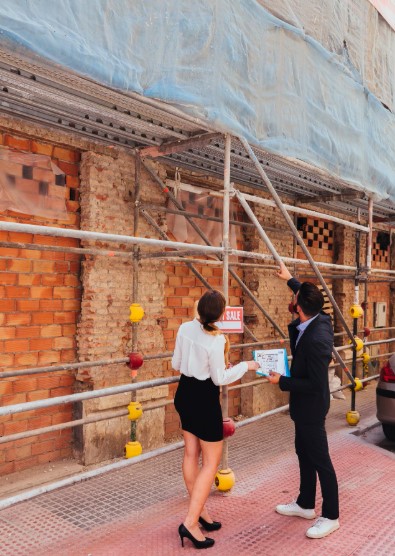
Commercial structures face distinct challenges compared to residential buildings, often requiring more rigorous engineering standards to manage immense static and dynamic loads. A professional foundation assessment is the primary safeguard for ensuring these massive investments remain structurally sound and compliant with modern building codes.
Neglecting the health of your commercial foundation can lead to catastrophic operational interruptions, liability issues, and rapid asset depreciation. Following a structured assessment process is the only way to accurately identify current vulnerabilities and plan for long-term structural resilience.
Gathering Historical Documentation and Site Blueprints
The assessment begins long before an engineer steps onto the job site by reviewing the building’s historical structural documentation. Accessing original blueprints, geotechnical soil reports, and records of previous structural modifications provides a necessary baseline for understanding the building’s design intent.
- Locate the original foundation plans to identify the exact pier types, footer dimensions, and reinforcing steel placement used during construction.
- Review all prior maintenance logs, repair receipts, and architectural modifications to see where the structure has been altered or serviced over time.
- Analyze existing geotechnical reports to understand the specific soil composition, water table depth, and load-bearing capacity of the land beneath the concrete.
Compiling this comprehensive document library allows engineers to pinpoint where the structure may be deviating from its original, intended performance profile.
Conducting a Comprehensive Visual Perimeter Survey
Once the historical context is established, engineers perform an intensive physical walk-through of the entire property to identify outward signs of structural distress. This phase documents the state of both the interior floor slabs and the exterior foundation walls, noting any deviations from level.
- Document all vertical, horizontal, and diagonal cracks in masonry walls, measuring the width and depth of each fracture with precision tools.
- Utilize laser leveling technology across internal slab surfaces to map any dips, crowns, or uneven elevation changes that signify settlement.
- Check the alignment of doors, windows, and structural steel columns for signs of racking, binding, or unexpected gaps that indicate structural movement.
A detailed visual map of all distress points serves as the roadmap for the remaining, more intrusive phases of the assessment process.
Performing Non-Invasive Sub-Surface Diagnostic Testing
To see what is happening underneath the foundation, professionals employ specialized diagnostic tools that detect hidden voids and moisture accumulation without damaging the building. This technology provides an essential window into the state of the soil and drainage conditions immediately surrounding the footings.
- Ground-penetrating radar allows engineers to visualize sub-surface conditions, identifying potential sinkholes or soil voids beneath the concrete slab.
- Moisture sensors and thermal imaging cameras detect hidden water infiltration sites that are currently eroding the soil support beneath the foundation.
- Verify the integrity of perimeter footing drains to ensure they are actually evacuating water rather than contributing to localized soil saturation.
Collecting this sub-surface data removes the guesswork from the assessment, providing a scientific basis for identifying exactly why the foundation is settling.
Executing Destructive Testing and Material Analysis
If visual and non-invasive methods indicate deep-seated issues, engineers may require selective material testing to verify the current structural capacity of the concrete and steel. This phase involves controlled sampling to ensure the materials themselves have not degraded due to environmental factors.
- Extract concrete core samples for compressive strength testing to confirm the material meets the requirements for the building’s current operational load.
- Perform chemical testing on concrete samples to check for deleterious reactions, such as sulfate attack or alkali-silica reaction, which can destroy concrete from within.
- Expose small, strategic sections of the foundation footings to inspect the condition of embedded steel rebar for signs of oxidation and corrosion.
Laboratory-verified material data provides the conclusive evidence needed to determine if the foundation requires reinforcement or if it is structurally sound for continued use.
Synthesizing Final Reports and Remediation Strategies
The final step is the consolidation of all collected data into a formal, actionable report that outlines the foundation’s current status and recommended interventions. This report must provide clear, engineer-stamped specifications for any necessary stabilization, drainage, or maintenance tasks.
- Prioritize all findings based on risk level, clearly distinguishing between cosmetic maintenance and immediate structural emergencies.
- Include detailed, site-specific diagrams showing the location and scope of proposed piering, slab stabilization, or drainage modifications.
- Outline a long-term monitoring plan that establishes how frequently the building should be reassessed to ensure continued operational safety.
A clearly defined, engineer-approved strategy transforms raw assessment data into a practical, manageable plan that protects your property investment.
Guarantee the Long-Term Stability of Your Commercial Asset
Conducting a thorough foundation assessment is not merely a box to check for compliance; it is a critical investment in the operational continuity of your business. Implementing these professional diagnostic steps allows you to identify vulnerabilities before they evolve into costly emergencies that threaten your bottom line.
Taking command of your building’s structural health today prevents the financial uncertainty of unexpected failure and ensures you remain in control of your real estate assets. Prioritizing this rigorous, expert-led assessment provides the structural certainty needed to operate with full confidence for decades to come.