
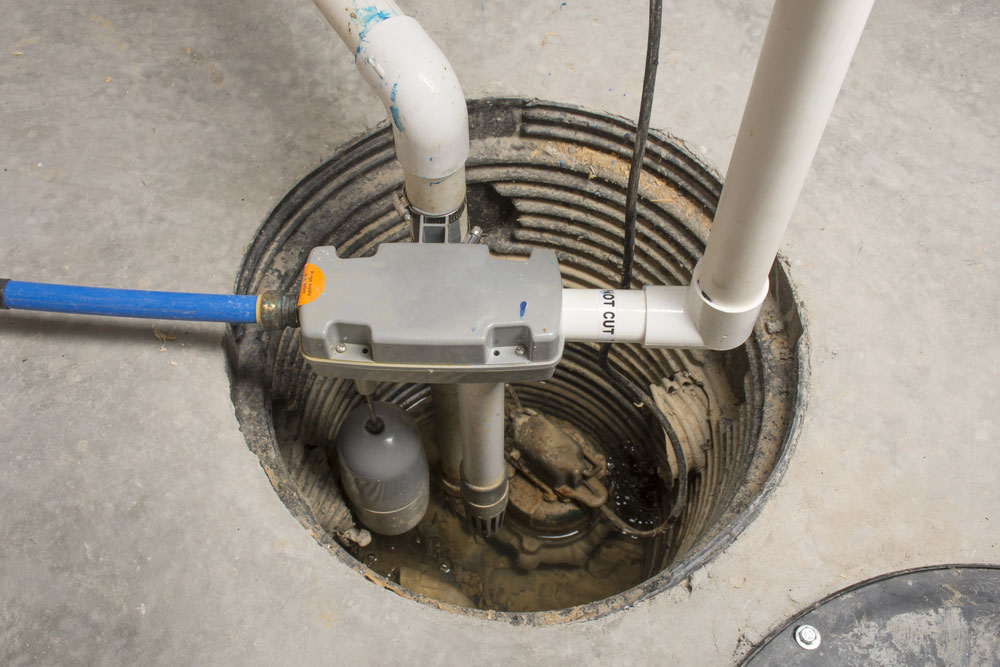
The sump pump functions as the critical mechanical heart of your basement’s drainage system, working silently to remove groundwater that would otherwise flood your home. When this vital piece of equipment is ignored, you lose your primary defense against hydrostatic pressure and sudden storm-related water intrusion.
Neglecting even basic maintenance tasks can cause the pump to fail exactly when you need it most, leading to thousands of dollars in water damage. Understanding the risks of pump neglect is essential for every homeowner who wants to protect their property equity and maintain a dry subterranean environment.
The Danger of Mechanical Seizure and Motor Burnout
The most common cause of sump pump failure is simply a lack of regular operation, which can lead to internal parts becoming stuck or the motor seizing up entirely. If the pump sits dormant for too long, sediment can build up in the basin, effectively clogging the intake screen and preventing the motor from starting.
- Inspect the pump for any signs of internal corrosion or debris accumulation that could restrict the rotation of the impeller blades.
- Test the motor manually by filling the basin with enough water to trigger the float switch, ensuring the pump engages promptly and runs smoothly.
- Listen for unusual grinding or squealing noises, which are early warning signs that the motor bearings are wearing out and require immediate professional attention.
Ensuring your pump is mechanically ready to run at a moment’s notice prevents the motor from burning out when it suddenly encounters a high volume of water.
Preventing Float Switch Malfunctions and Debris Buildup
The float switch is the brain of your sump system, designed to detect rising water levels and trigger the pump to evacuate the basin. If this switch becomes tangled on the discharge pipe or stuck in the “off” position due to accumulated sludge, the pump will never activate, regardless of how high the water rises.
- Periodically, clear the sump basin of any rocks, leaves, or construction debris that could physically obstruct the movement of the float arm.
- Check the tethered float switch to ensure it has a clear, uninhibited path to move upward without rubbing against the pump housing or power cord.
- If your pump uses a vertical float, clean the shaft regularly to prevent mineral buildup from causing the switch to stick in a closed position.
Maintaining an unobstructed float switch is the only way to guarantee that the pump activates reliably every single time the water level crosses the safety threshold.
Addressing Check Valve Failure and Water Backflow
A critical but often overlooked component is the check valve, a one-way door installed on the discharge pipe that prevents water from flowing back into the basin. When a check valve fails, the water you just pumped out simply drains back down into the pit, forcing the motor to cycle endlessly and eventually leading to premature failure.
- Confirm that the check valve is installed in the correct direction and is not cracked, brittle, or leaking due to long-term exposure to water.
- Replace worn-out rubber gaskets or flappers that have lost their ability to create a watertight seal against returning water.
- Test the system to see if the pump stops pumping and remains off; if the water level rises quickly again, it is a clear sign of backflow failure.
Verifying that your check valve is fully functional stops the pump from wasting energy and protects the motor from the unnecessary strain of endless repetition.
The Vital Necessity of Battery Backup Systems
A standard sump pump relies entirely on your home’s electrical supply, meaning it will go dark immediately if a severe storm causes a power outage. Since most basement flooding occurs precisely during major weather events, having a secondary power source is the only way to remain protected when the grid goes down.
- Install a high-capacity battery backup system that automatically takes over the workload the moment the primary electrical supply is interrupted.
- Regularly test the battery levels and ensure the backup charger is connected to a dedicated outlet to maintain a full charge at all times.
- Consider a dual-pump setup where a second, independent pump is positioned slightly higher in the basin to act as a fail-safe during extreme storms.
Providing an alternative power source ensures that your home stays dry even during the most intense rain events when the municipal electricity may be compromised.
Maintaining Discharge Line Integrity and Drainage
Even a perfect pump is useless if the water it collects has nowhere to go or is being pumped right back into the ground near your foundation. Clogged, frozen, or improperly sloped discharge lines are common points of failure that can cause the system to back up and flood the basement.
- Clear the exterior discharge point of any blockages, such as mud, ice, or animal nests, that could prevent the water from exiting the line.
- Verify that the discharge line is sloped correctly away from your house and terminates far enough away to avoid foundation re-saturation.
- In freezing climates, inspect the discharge pipe for potential ice dams that could block water flow during sudden winter thaw events.
Ensuring a clear, unobstructed path to the outdoors allows your pump to discharge water at its full design capacity, protecting your foundation from overflow.
Guarantee Your Home’s Safety with Proactive Care
Leaving your sump pump to chance is a high-stakes gamble that will inevitably result in a catastrophic, expensive basement flood. Implementing a rigorous, documented maintenance routine for your pumping system is the most cost-effective insurance policy you can have for your property.
Taking ownership of your basement’s mechanical health today prevents the sudden, devastating financial impact of a flood that could destroy your living spaces. Prioritizing these essential maintenance checks ensures your foundation remains bone-dry, your mechanical systems function efficiently, and your home remains a safe sanctuary for your family.