
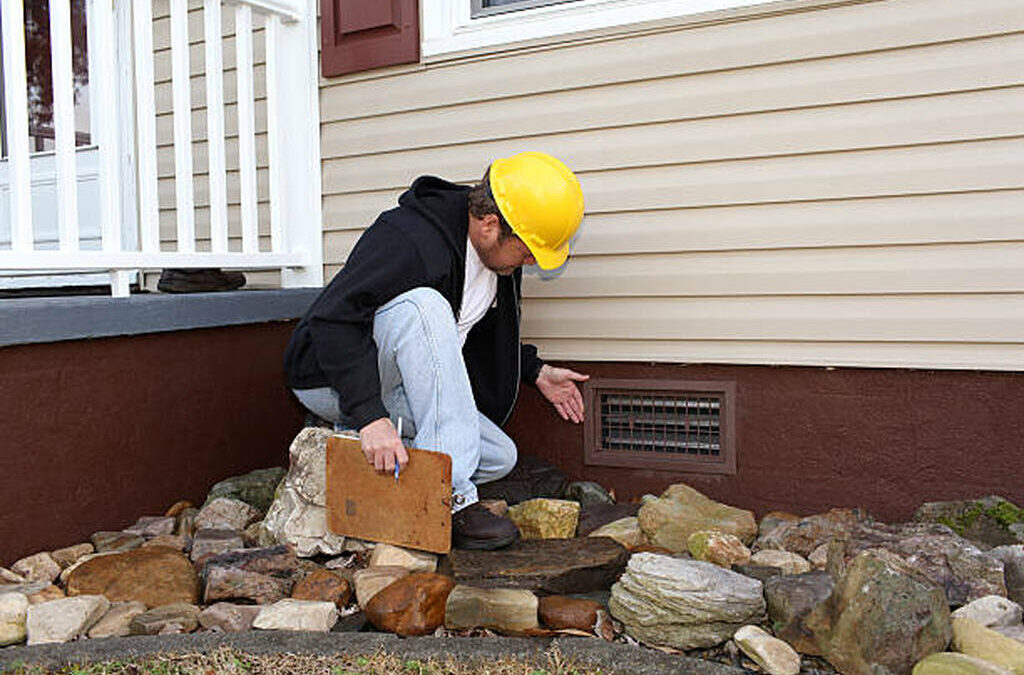
The crawl space beneath your home is often the most neglected area of the property, yet it functions as the structural and environmental core of your entire residence. When moisture, pests, or structural shifts begin to degrade this hidden zone, the issues rarely stay contained, quickly spreading damage upward into your living space.
Choosing to ignore these subterranean warning signs is a high-stakes financial gamble that almost always results in costs far exceeding the price of a standard foundation repair. Understanding the direct link between crawl space health and your home’s total structural equity is vital for every responsible homeowner.
The Rapid Spread of Structural Rot and Decay
Crawl spaces are naturally prone to high humidity, which acts as a primary catalyst for wood-rotting fungi that feast on floor joists and sub-flooring. Once these structural beams begin to decay, they lose their ability to support the weight of the home, leading to sagging floors and compromised framing.
- Fungal colonies spread silently through the wood framing, turning solid joists into soft, puny material that must be entirely replaced.
- Sagging floors increase the stress on interior walls, causing drywall cracks and jammed doors as the entire house shifts out of alignment.
- Once the rot reaches the main support beams or the sill plate, the scope of repair moves from simple maintenance to major structural reconstruction.
Neglected decay weakens the entire skeleton of your home, forcing you to pay for expensive framing repairs that could have been avoided with moisture control.
Accelerating Pest Infestations and Biological Hazards
A damp, dark crawl space with stagnant air is the perfect habitat for termites, carpenter ants, and rodents looking for a nesting ground. These pests do not stop at the crawl space; they migrate upward, feeding on your home’s wooden structure and damaging electrical wiring behind your walls.
- Termite colonies can destroy the structural integrity of your floor joists in months, leading to hidden damage that is often not discovered until floors begin to fail.
- Rodents living in the crawl space tear apart air ducts, introducing waste and insulation fibers directly into your home’s central heating and cooling system.
- Professional pest remediation is ineffective if the underlying moisture and environmental conditions that attract these pests remain uncorrected.
Allowing a crawl space to become a pest sanctuary results in a massive, compounding repair bill that spans both structural reconstruction and hazardous waste cleanup.
The Hidden Cost of Toxic Indoor Air Quality
Your crawl space shares air with your living space through a physical process known as the stack effect, where air from below is pulled upward into your bedrooms and kitchen. If your crawl space is moldy or contains decomposing organic matter, your family is breathing that polluted air every single day.
- Airborne mold spores and musty odors migrate directly into your living quarters, triggering respiratory issues and chronic allergies for your entire family.
- Poor air quality lowers the overall comfort of your home, making it difficult to maintain a clean and healthy atmosphere regardless of how much you clean the interior.
- Professional mold remediation services are often required to strip out contaminated insulation and clean the framing, which significantly increases the total project cost.
Ignoring the environment below your feet turns your home into a health liability, necessitating expensive indoor air purification and remediation efforts.
Skyrocketing Energy Inefficiency and HVAC Stress
When your crawl space is damp and unsealed, your heating and cooling system is forced to work against the constant influx of outdoor air and extreme humidity. This environment makes your climate control equipment cycle far more frequently, leading to higher monthly utility bills and premature mechanical failure.
- Unconditioned air leaking through floor penetrations forces your furnace and air conditioner to compensate for massive temperature shifts.
- High relative humidity in the crawl space reduces the effectiveness of your insulation, as moisture-logged materials lose their ability to maintain a thermal barrier.
- Mechanical appliances like water heaters and furnaces rust rapidly when exposed to a corrosive, moisture-rich atmosphere, leading to early replacement costs.
Paying the “penalty” of high energy bills each month is a hidden cost that slowly drains your finances while your expensive HVAC equipment dies years ahead of schedule.
Drastic Reduction in Property Resale Value
A home with a known history of crawl space neglect, including visible mold, floor sagging, or pest damage, is a major red flag for prospective buyers and their inspectors. When you decide to sell, these issues will either force you to accept a significantly lower offer or pay for massive, emergency repairs on a tight closing schedule.
- Potential buyers will aggressively renegotiate your contract price upon seeing the evidence of structural decay or high-moisture markers during a home inspection.
- Mortgage lenders often refuse to fund properties with verified structural or environmental issues, effectively blocking your ability to complete a standard sale.
- Maintaining a certified, clean, and dry crawl space is a measurable asset that adds verifiable equity and confidence to your real estate transaction.
Failing to address crawl space issues now essentially burns equity, turning a valuable real estate asset into a stressful, discounted property that is difficult to market.
Secure Your Property’s Future with a Stronger Foundation
Waiting for crawl space issues to reach a breaking point is a reckless financial strategy that threatens your family’s health and your home’s long-term stability. Investing in a comprehensive, professional crawl space restoration system stops the cycle of decay and creates a clean, dry, and protected environment beneath your floors.
Taking decisive action today saves you from the massive, compounded costs of future structural reconstruction and emergency mechanical repairs. Prioritizing your home’s subterranean health is the most effective way to protect your property equity and ensure your household remains a safe, comfortable, and valuable asset.